Don’t Feed The Darkness
Don’t Feed The Darkness
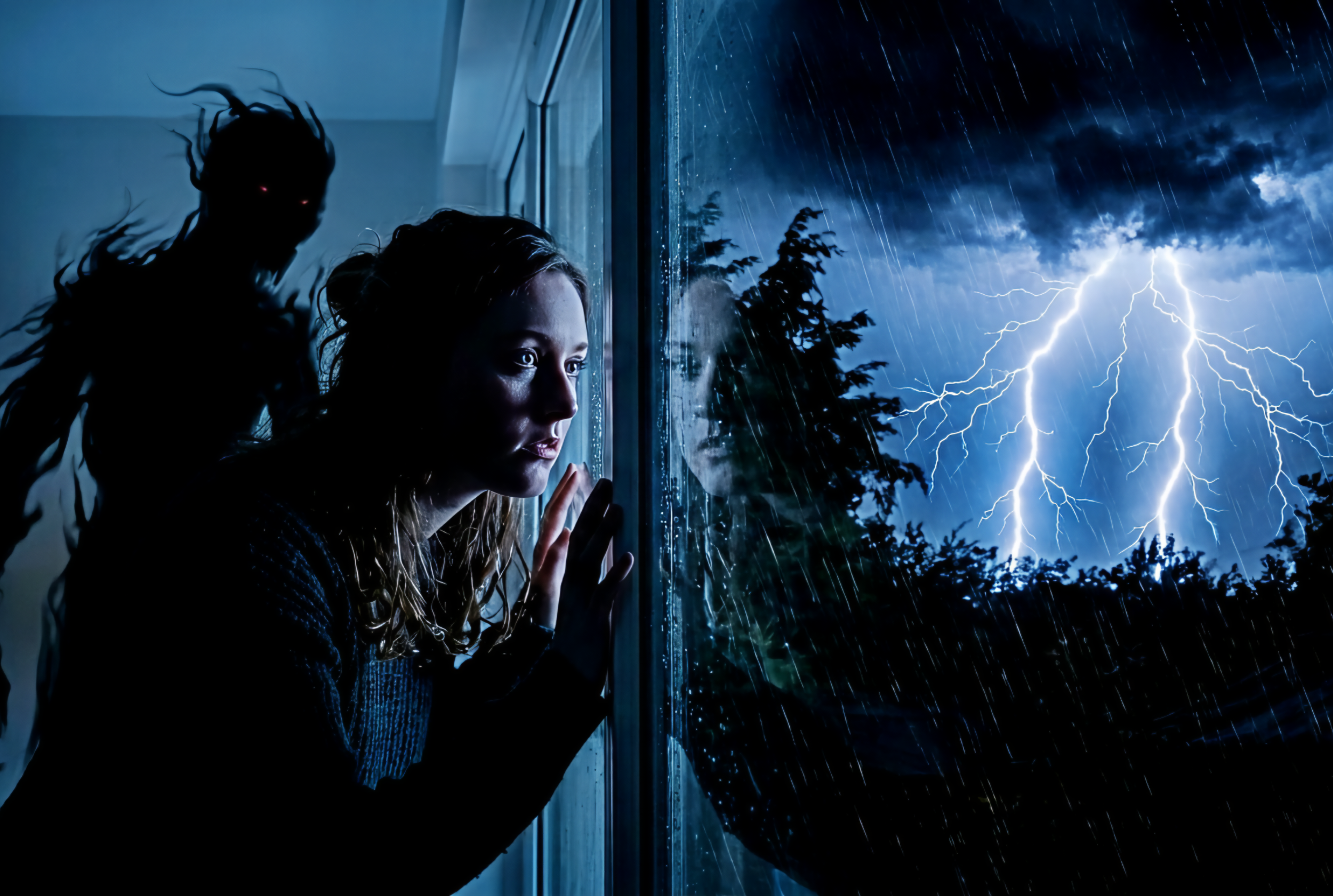
I sit in the silence and wait out the storm,
The thunder grows louder, the lightning takes form.
Don't show any fear, guard your mind and your soul,
Don't feed the darkness—it swallows you whole.
I don't dare shed a tear, not a whimper or sound,
The darkness will thrive on the pain it has found.
The walls are all thinning, my chest feels so tight,
I begin to lose myself within the dark night.
The thunder is shaking these four fragile walls,
The lightning strikes through as my safe haven falls.
The mask of the darkness comes off and it's clear:
I am still standing right here through the fear.
The dark is a storm that tried taking it all,
The storm tore the lie down, but saved us through it all.
So hold to your strength as you wait for the light—
You will survive this, you'll outlive the night.
Copyright Notice:
© 2026 Sharla Frewin - Mystical Wisdom. All rights reserved.
Brief excerpts and quotes may be shared for personal reflection or educational purposes, provided full credit is given to Sharla Frewin - Mystical Wisdom with a direct link to this page. Please do not republish the full poem or post without written permission.
Breaking Down the Poem: Understanding the Reality Behind the Metaphor
Writing this piece was my way of putting words to a reality that so often leaves us speechless. When you are surviving domestic abuse, the experience is so heavy, quiet, and overwhelming that it can feel impossible to explain to anyone else—or even to yourself.
If you read my poem and felt a knot in your chest, I want to break down what those lines mean and why every piece of that experience matters.
1. What It Means When "The Darkness Swallows You Whole"
In the poem, the darkness represents the abuse. It doesn't usually happen overnight; it is a slow, suffocating erosion that consumes your identity, your freedom, and your world until you feel completely erased.
Here is how that plays out in real life:
The Shrinking of Your Identity: When survival requires constant self-suppression—don't show fear, don't show emotion, don't make a sound—you learn to hide who you are to keep the peace. Over time, burying your real thoughts and feelings forces your core self into hiding. You stop truly living and shift entirely into survival mode.
Total Hyper-Vigilance: When you are trapped in the storm, your entire mental energy is spent reading the sky—monitoring moods, watching for triggers, and walking on eggshells. Because all your focus goes toward predicting the next threat, there is no emotional space left for your own dreams or happiness. The threat becomes your whole horizon.
Physical and Emotional Isolation: Holding back every tear and whimper forces the pain inward. As your chest tightens and your walls feel like they are thinning, the darkness isolates you. It tricks you into believing that no one can help, that you are totally alone, and that this dark room is the only reality that exists.
Replacing Truth with Illusion: The darkness distorts your perception. It tries to convince you that the place hurting you is a "safe haven," or that you are somehow to blame for the storm. When the abuser's reality completely overwrites your own, the darkness has surrounded you entirely.
The Turning Point: Being swallowed feels like total defeat, but the poem doesn't end there. The turning point is the lightning strike. Lightning represents that sudden, undeniable moment of clarity that cuts through the dark, exposes the lie for what it is, and gives you the truth you need to survive.
2. How We "Lose Ourselves Within the Dark Night"
When you have to adapt to an unsafe environment just to survive the night, "losing yourself" isn't a failure—it's a visceral defense mechanism:
Disconnecting from Your Body: When terror sets in and your chest tightens, your mind's instant defense is to freeze. To make sure you don't cry out or make a sound, you numb your physical sensations. You stop allowing yourself to feel, temporarily losing touch with your own body to keep yourself safe.
The Erosion of Boundaries ("Walls Thinning"): When your safety depends on constantly managing someone else's emotions, your own needs get pushed to the side. The line between you and the room blurs. You become a monitor designed purely to absorb or deflect the next conflict.
The Muting of Your Inner Voice: When survival demands total silence, your internal voice eventually grows quiet, too. Expressing what you think or need becomes dangerous, so those parts of you go dormant.
The Shrinking of Time: In survival mode, the future vanishes. You aren't thinking about long-term goals or who you want to become—you are focused entirely on surviving the immediate hour. Your sense of a future disappears into the shadows.
A Truth to Hold Onto: If you feel like you lost yourself, remember this: you didn't truly vanish. "Losing yourself" was actually a shield. You tucked your real self away in the dark to keep it safe until the light came back and it was safe to stand up again.
3. How "The Storm Tore the Lie Down, but Saved Us Through It All"
This line is the emotional climax of the poem because it turns a moment of absolute chaos into the moment you reclaim your life. In the language of trauma, "the storm" is the crisis, the outburst, or the moment the illusion completely shatters.
What Was the "Lie"?
The lie is the invisible structure that keeps you trapped before the storm breaks:
The belief that "this is my safe haven, and this person is protecting me."
The belief that "if I just don't make a sound, if I walk carefully enough on these eggshells, I can keep us safe."
When the storm reaches its peak and the lightning strikes, it strips away every excuse and rationalization. It forces you to see the brutal truth: the home was never safe, and the peace was never real. The storm didn't create the danger—it just made it impossible to pretend anymore.
4. How Did the Storm "Save" Us?
It sounds strange to say a terrifying storm saved us, but in an abusive situation, the most dangerous place to be is trapped in the lie.
Living in a false sanctuary keeps you in an endless cycle of waiting, hoping, and shrinking yourself down. The storm saves you because:
It Breaks the Trap: Once the illusion is shattered, you cannot unsee the truth. You stop wasting your life trying to fix a foundation that was built to break you.
It Reclaims Your Reality: The darkness makes you doubt your sanity. The extreme clarity of the storm validates what your gut knew all along: this is wrong, and I deserve safety.
It Shifts You from Endurance to Freedom: The storm awakens you. It breaks the cage so that, even if you are standing in the middle of ruins, you are finally free to walk away and rebuild.
Final Thoughts
The dark is a storm that tries to take everything from you. But no matter how loud the thunder gets, or how tight your chest feels tonight: you are still here. The storm may have torn down the lie, but it also cleared the way for you to step into the light and build a life that is truly safe.